Aguaje Side Effects: Safety, Dosage & Who Should Avoid It
Aguaje (Mauritia flexuosa) side effects, safety, recommended dosage, who should avoid it, and possible interactions. Research-backed insights and cautions.
Chakana Healing Space
4/18/20268 min read
Aguaje Side Effects: What You Need to Know Before Taking It
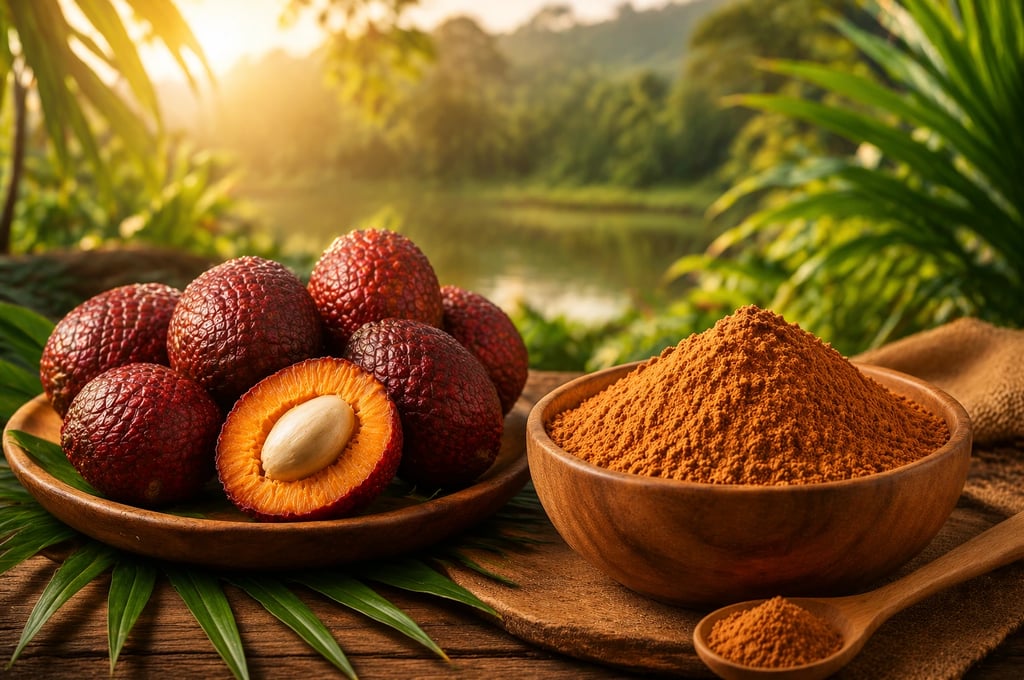
Aguaje (also called moriche palm fruit or buriti) is a nutrient-rich Amazonian superfood traditionally used for nutrition and women’s health. It’s exceptionally high in provitamin A (beta-carotene) and contains natural phytoestrogens. As aguaje becomes popular in supplements and health foods, it’s natural to ask: Is aguaje safe? What side effects might occur? Who should avoid it? And how much should you take? Below we explore traditional knowledge and scientific studies on aguaje (Mauritia flexuosa) safety, possible side effects, dosing guidance, and potential drug interactions. This evidence-based overview will help you enjoy aguaje’s benefits wisely.
Is Aguaje Safe?
Overall, aguaje appears safe for most healthy adults at normal consumption levels. It has been eaten in Amazonian diets for generations with few complaints. For example, aguaje oil was traditionally given to children to prevent vitamin A deficiency and dry eyes. Modern studies also find it well-tolerated. In a controlled human trial, Japanese women took 100 mg/day of aguaje extract (MPE) for 8 weeks. The researchers reported “no abnormalities suggesting adverse effects of MPE” in blood tests or urine. Likewise, herbal references note “no side effects have been reported due to aguaje consumption”, advising only that it be used in moderation.
Animal data likewise suggest a high safety margin: in a mouse study, even an extreme dose of 2,000 mg/kg of aguaje extract caused no deaths or organ damage. In short, aguaje seems generally safe at customary intakes, with no serious adverse events documented when used reasonably.
Possible Side Effects
Aguaje’s side effects tend to be mild or theoretical. Key considerations include:
Vitamin A Overdose (Hypervitaminosis A): Aguaje is extremely rich in provitamin A carotenoids. In fact, just 100 g of the fruit pulp contains about 1,204 mcg RAE of vitamin A – over 130% of an adult’s daily need. Consuming too much vitamin A (even from carotenoid sources) can theoretically lead to hypervitaminosis. Symptoms of vitamin A excess include itching, dry/rough skin, fatigue, nausea, and weight loss. While no cases have been reported from normal aguaje use, it’s wise not to take extremely large supplemental doses (or combine with high-dose retinoid drugs) to avoid vitamin A toxicity.
Hormonal Effects: Aguaje contains natural estrogen-like compounds (phytoestrogens). These can have mild effects on the body’s hormone balance. In healthy women, aguaje is believed to modulate estrogen activity (for example, easing PMS or menopausal symptoms). There is no evidence of harmful hormonal effects in typical use. Still, anyone sensitive to estrogenic effects may notice subtle changes in menstrual cycles or breast tenderness. More research is needed, but caution is advised if you have conditions tied to hormones.
Gastrointestinal Upset (Possibly): Aguaje pulp is high in fiber and plant fats. In some people, very high intake of new fiber-rich foods can cause mild bloating, gas, or loose stools. This isn’t widely reported for aguaje, but starting with a modest dose can help you gauge tolerance. Drink plenty of water when increasing fiber intake.
Allergic Reactions (Rare): There are no known reports of aguaje allergy. However, as with any plant food, a rare individual could be allergic. If you have a latex or palm fruit allergy, be extra cautious. Start with a small amount; discontinue use if you experience itching, rash, swelling, or breathing difficulties.
In practice, most people who use aguaje report no adverse effects, especially when sticking to recommended amounts. Keeping intake moderate is the best way to avoid any problems.
Who Should Avoid Aguaje
Although aguaje is safe for many, certain groups should exercise caution or avoid it:
Pregnant and Breastfeeding Women: Traditional wisdom and experts generally advise against high-dose phytoestrogen supplements during pregnancy and lactation. Aguaje’s estrogenic compounds might theoretically influence fetal development, and excessive vitamin A is a known teratogen. Therefore, it’s safest for pregnant or nursing women to limit aguaje to normal food amounts and avoid concentrated extracts.
Hormone-Sensitive Conditions: If you have a personal or family history of breast, ovarian, uterine, or prostate cancer (or other hormone-dependent tumors), be cautious. Because aguaje contains phytoestrogens, it could potentially affect hormone-sensitive tissues. There is no definitive evidence that aguaje causes cancer, but some sources suggest limiting estrogenic botanicals if you’re at risk. Talk with a healthcare provider before using aguaje supplements if this applies to you.
On Blood Thinners (Warfarin): Aguaje is rich in vitamin E (alpha-tocopherol), which can enhance the effect of anticoagulant drugs like warfarin. If you take prescription blood thinners, consult your doctor. They may recommend closer INR monitoring, since vitamin E can increase bleeding risk. (In general, any new supplement warrants caution on blood thinners.)
Taking High-Dose Vitamin A/Retinoids: If you are already taking high-dose vitamin A supplements or prescription retinoids, adding aguaje could push your total vitamin A intake too high. In such cases, either skip aguaje supplements or significantly reduce your other vitamin A sources to stay within safe limits.
Children (High-Dose Supplements): As a food, aguaje has been used to boost children’s vitamin A status. A community trial even showed buriti (aguaje) helped prevent xerophthalmia (eye damage from A deficiency) in kids. So small amounts in the diet are generally fine for kids. But if using a concentrated supplement form, consult a pediatrician. Children’s vitamin needs are lower, and overconsumption of supplemental vitamin A should be avoided.
Safe Dosage Guidelines
There’s no official RDA for aguaje, so “safe dosage” depends on the form (powder vs. extract) and product. Here are general guidelines:
Food/Form of Powder: For freeze-dried whole fruit powder (like Chakana’s product), a practical serving is about 1 teaspoon per day. That’s roughly 3–5 grams of powdered fruit, providing a nutrient boost (vitamins A/E, antioxidants). This is a modest amount that mimics dietary intake.
Extracts/Capsules: Some supplements use concentrated aguaje extract (oil or methanolic extract). In such cases, doses around 100–500 mg per day are often suggested. For example, one Japanese product recommends 100 mg/day of aguaje extract, mirroring the clinical trial amount. Clinical studies found 100 mg/day well tolerated. Other brands may suggest 1–2 capsules (often 500–1000 mg total) per day. Always follow label instructions.
Titration: If you’re new to aguaje, start with the lower end of the dose range and see how you feel. There’s no rush; aguaje is meant as a gentle tonic.
Safety Margin: Even at much higher doses, animal tests show low toxicity (no harm at 2,000 mg/kg in mice). However, human data is limited at extreme intakes. Stick to recommended servings and avoid megadoses.
Monitoring Vitamin A: Because aguaje is high in vitamin A precursors, ensure your total vitamin A stays in the safe range (around 700–900 mcg RAE per day for adults, higher for pregnant women unless advised otherwise). If you use other high-carotene foods or supplements, account for those too.
In summary, a single daily serving of aguaje (whether powder or extract) is sufficient to gain benefits without overwhelming your system. Higher intakes haven’t been shown to add extra benefit and might increase side effect risk.
Interactions with Medications
To date, no specific drug interactions have been well-documented for aguaje. However, based on its nutrient profile, a few cautions apply:
Blood Thinners: As noted above, aguaje’s vitamin E could potentiate warfarin or other anticoagulants. Monitor clotting parameters and discuss any supplement use with your doctor.
Hormone Therapies: Aguaje contains phytoestrogens. Theoretically, it might interact with estrogen or progesterone medications (like contraceptives, HRT) by adding extra estrogenic activity. There’s no research confirming this, but it’s wise to consult your physician or pharmacist if you are on hormone treatments.
Vitamin A or E Supplements: Concurrent use of high-dose vitamin A or E supplements with aguaje could elevate levels too much. If you’re already taking multivitamins or high-potency vitamin A/E, adjust accordingly.
Thyroid and GI Meds: Aguaje’s fiber and fat content mean it could slow absorption of some medications if taken at the same time. As a precaution, take aguaje powder or capsules a few hours apart from critical medications (like thyroid pills) to avoid interference.
General Advice: Always tell your healthcare provider about any herbs or supplements you take. Even if no interaction is known, doctors need the full picture of your supplements and medications to keep you safe.
Frequently Asked Questions
Q: Does aguaje cause acne or breakouts?
A: There’s no evidence that aguaje causes acne. In fact, aguaje’s high beta-carotene and vitamin E may support skin health. However, everyone’s reaction is personal. If you notice any skin changes, reduce the dose or discontinue use.Q: Can men take aguaje or will the estrogen affect them?
A: Yes, men can take aguaje. The phytoestrogens in aguaje are relatively mild and have been studied mainly in women’s health. Some research even found aguaje extract has anti-androgenic effects in lab models. In practical terms, occasional use for men (for example, as a vitamin-rich supplement) is generally safe. Just stick to normal servings; very high amounts might theoretically influence hormones.Q: What if I miss a day or want to take a break?
A: Aguaje is not a medication, so missing a day isn’t a problem. It’s best used consistently for gradual benefits. If you take a break, just resume at the usual dose. There are no withdrawal issues with herbal foods like aguaje.Q: Can I take aguaje along with other supplements?
A: Generally yes, but be mindful of overlap. For example, if you already take vitamin A/E supplements, you may need to lower the dose when using aguaje. Also, if you use phytoestrogenic herbs (like black cohosh or soy), adding aguaje is usually okay in normal food amounts, but always monitor how you feel and consult a healthcare provider.Q: How quickly might I see benefits or side effects?
A: Benefits like improved skin or mild symptom relief may take a few weeks of regular use. Side effects (if any) could appear sooner if you are sensitive (e.g., digestive upset on day one). In the Japanese study, women took aguaje extract daily for 8 weeks, noting improvements without side effects. As with any supplement, give it time and adjust as needed.
Safety & Disclaimer
Quality & Purity: Use aguaje supplements from reputable sources. Ensure the product is labeled for purity (no fillers or contaminants).
Medical Advice: The information above is for educational purposes. It is not a substitute for professional medical advice. Always consult your doctor or a qualified healthcare provider before starting any new supplement, especially if you have health conditions or take medications.
Monitor Your Health: If you experience any unusual symptoms (severe headache, vision changes, excessive fatigue, allergic reactions, or unusual bleeding), discontinue aguaje and seek medical attention.
Regulatory Note: Dietary supplements are not FDA-approved to diagnose, treat, cure, or prevent any disease. Claims about aguaje’s benefits are based on traditional use and emerging research. Use it responsibly as part of a healthy lifestyle.
Conclusion
Aguaje is a potent Amazonian superfood that most people can enjoy safely. Its rich beta-carotene, healthy fats, and unique phytoestrogens make it a nutritious addition to the diet. Research so far shows no serious side effects at normal doses. By following dosing guidelines and observing the cautions above, you can incorporate aguaje into your routine with confidence.
For example, starting with about one teaspoon per day of a quality freeze-dried aguaje powder can supply nutrients without overload. If you experience any mild side effects (like dry skin or digestive changes), scale back to a smaller amount. And remember, certain groups (pregnant women, those on blood thinners, etc.) should talk to a healthcare provider first.
At Chakana Healing Space, we honor traditional Amazonian superfoods and rigorous quality. Our wild-harvested Aguaje freeze-dried powder is carefully processed to preserve nutrients, so you get the full benefit of this remarkable fruit. Add it to your smoothies or bowls for a gentle hormone-balancing boost. For an authentic source of aguaje, try our premium Aguaje Freeze-Dried Powder. Enjoy the natural goodness of aguaje, and nourish your body wisely.