Wild-Harvested vs Farmed Superfoods
Discover why wild-harvested superfoods often pack more potency and the sustainability benefits of ethical wild sourcing.
Chakana Healing Space
2/10/20264 min read
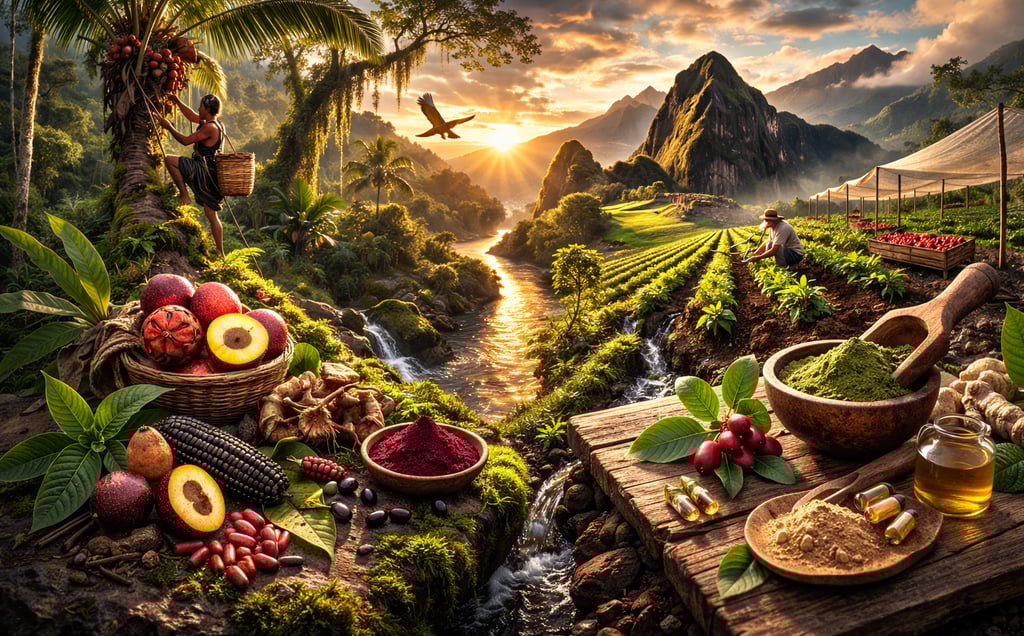
Superfoods like maca, camu camu, and sacha inchi have exploded in popularity, but not all are created equal. A key factor? How they’re grown. Wild-harvested plants (those gathered from native ecosystems) can differ significantly from their farmed (cultivated) counterparts—in both nutrient potency and environmental impact. In this article, we’ll explore why origin matters: the science behind phytochemical differences, the ethics of wild harvesting, and how Chakana sources only the best, sustainably-wild superfoods.
Phytochemical Potency: Wild Plants Often Pack a Bigger Punch
Plants growing wild in harsh environments frequently produce higher levels of protective compounds (antioxidants, alkaloids, flavonoids, etc.) than domesticated crops. For example, wild varieties of certain edible greens have been shown to contain significantly more antioxidant phenolics than farmed versions. One study of Mediterranean wild greens (Sonchus species) found that cultivating them reduced key phenolic compounds compared to wild-harvested plants. This happens because wild plants face stressors like insects, UV light, and poor soil—stress which triggers the production of extra phytochemicals as natural defenses.
The difference is also clear in Andean superfoods. Maca, grown high in the Peruvian Andes, comes in two “types”: wild (Lepidium meyenii) and farmed (L. peruvianum) forms. Scientific analyses have discovered unique bioactives in wild maca. For instance, a research team identified macamides (bioactive fatty acid amides) specifically from wild maca. These unique compounds, linked to maca’s energy and fertility benefits, suggest wild-harvested maca may offer a distinct nutritional profile compared to cultivated batches.
In short, wild-harvested superfoods often boast richer phytochemical profiles. This can translate to greater potency: more vitamins, minerals, and antioxidants per serving. For consumers, that means a small scoop of wild-harvested powder might deliver more nutrition than the same amount of a mass-farmed counterpart.
Sustainability and Ethics: The Wild-Harvest Advantage (and Responsibility)
Beyond potency, origin impacts people and planet. Wild-harvesting, when done responsibly, can support biodiversity and local communities. Certification programs like FairWild set standards to protect both plants and people. Their vision: “a world where biodiversity, people, and businesses can flourish in harmony through responsible wild harvesting.” In practice, FairWild audits gatherers annually to ensure they leave enough plants for future growth and adhere to legal, ethical harvest methods.
By sourcing wild botanicals, brands can provide economic opportunities in remote areas. For example, forest communities in Peru may rely on wild camu camu or sacha inchi harvests as income. When companies pay fair prices and follow sustainability protocols, wild harvesting becomes a tool for conservation. It incentivizes protecting habitat (since healthy forests mean future harvests) and values indigenous knowledge of plant ecosystems.
In contrast, large-scale farming often involves clearing land, using irrigation and pesticides, and monoculture. These practices can degrade soil, reduce wildlife habitat, and erode biodiversity. By choosing wild-harvested products instead, we can lessen the agricultural footprint. Of course, this only works if wild populations are managed carefully: overharvesting can threaten species and ecosystems. That’s why ethical sourcing standards matter. Chakana’s own sourcing policy follows guidelines like FairWild to ensure no endangered species are over-collected, and that harvesting respects natural cycles.
Case Studies: Maca, Camu Camu and More
Maca (Lepidium meyenii): Grown at 4000m altitude, wild maca is rarer and was traditionally collected by Andean farmers. Modern maca is farmed in specialized plots. Analysis shows wild maca yields distinct macamides, suggesting higher phytochemical diversity. Cultivated maca, while abundant, may not fully replicate the nutrient richness of its wild cousin.
Camu Camu (Myrciaria dubia): This Amazonian berry is almost exclusively wild-harvested. Its rich vitamin C and antioxidants come from the stress of jungle conditions. Although Camu Camu can be farmed in theory, large plantations could threaten floodplain forests. Wild camu camu harvesting (with fair labor practices) ensures the trees and wetlands continue to flourish.
Sacha Inchi (Plukenetia volubilis): Native to Peruvian jungles, wild-harvested in seed form by indigenous people. Industrial farming of sacha inchi is emerging, but wild seeds are prized for being pure and ecologically harvested. Wild seeds can often be fermented/traditional processed, preserving native flavors and quality.
In each case, wild origin ties the product to an ecosystem and cultural heritage. Chakana works directly with Peruvian harvesters to bring you these wild-sourced superfoods.
Benefits of Wild Sourcing vs. Farmed
Higher Nutrient Density: Stress-induced phytochemicals mean wild plants often have more nutrients/antioxidants per gram.
Eco-Friendly: Properly managed wild harvests preserve rainforests and meadows, rather than converting them to farmland.
Cultural Preservation: Supporting wild harvest sustains indigenous practices and local economies.
Traceability: Many wild-harvest initiatives (like FairWild) ensure supply chains are transparent and ethical.
By contrast, large-scale farming can yield more volume but sometimes at the cost of quality. For superfoods, quality trumps quantity—you want the purest, most potent form of nature.
CTA: Explore Chakana’s Wild-Harvested Superfoods
At Chakana Healing Space, we’re dedicated to wild-sourced purity. Each product lists its origin (visit our sourcing page to see exactly where your superfood came from). We never compromise on sustainability or potency. Try our wild-harvested maca, camu camu, and more, knowing they’re collected ethically from nature’s pharmacy.
FAQ
Q: Are wild-harvested superfoods always better?
A: Not automatically, but they often have an edge. Wild plants grow under natural stress, boosting beneficial compounds. However, “better” also depends on sustainable harvest practices. If wild plants are over-collected, that’s not good for the environment or quality.Q: How do I know if a product is wild-harvested?
A: Look for sourcing information or certifications. Chakana’s labels and [sourcing page] clearly identify wild-harvest origins for each product. Certifications like FairWild also indicate responsible wild harvest.Q: Can farmed superfoods be sustainable too?
A: Yes. Organic, regenerative farming of superfoods can be sustainable. But it’s a trade-off: farmed crops require land and resources. Often, championing wild-harvested options helps conserve ecosystems if managed properly.Q: Do wild-harvested superfoods cost more?
A: They can, because they’re rarer and harvesting is labor-intensive. Fair wages for harvesters are part of the cost. But many find the premium worth it for higher quality and ethical sourcing.Q: What about potency consistency?
A: Wild superfoods can have more natural variation batch-to-batch, since weather and location differ. That’s why Chakana tests each batch for potency, ensuring you get a consistent, high-quality product from nature.
Safety & Disclaimer
Wild-harvested herbs and foods offer many benefits, but remember: “natural” doesn’t automatically mean “safe for everyone”. Always consult a healthcare provider before adding new supplements to your routine—especially if you have health conditions or are taking medications. This article is for informational purposes and reflects general research and traditional knowledge. Chakana Healing Space is not responsible for individual outcomes. Our commitment is to quality and sustainability; use our products as part of a balanced, informed approach to wellness.
Each wild superfood we source carries nature’s legacy in every dose. By choosing wild-harvested, you honor traditional wisdom and support a more sustainable future—one nutrient-dense scoop at a time.