How to Recognize Authentic Peruvian Superfoods — A Buyer’s Checklist
A practical buyer’s checklist to identify authentic Peruvian superfoods, including visual signs and sourcing questions.
Chakana Healing Space
1/6/20263 min read
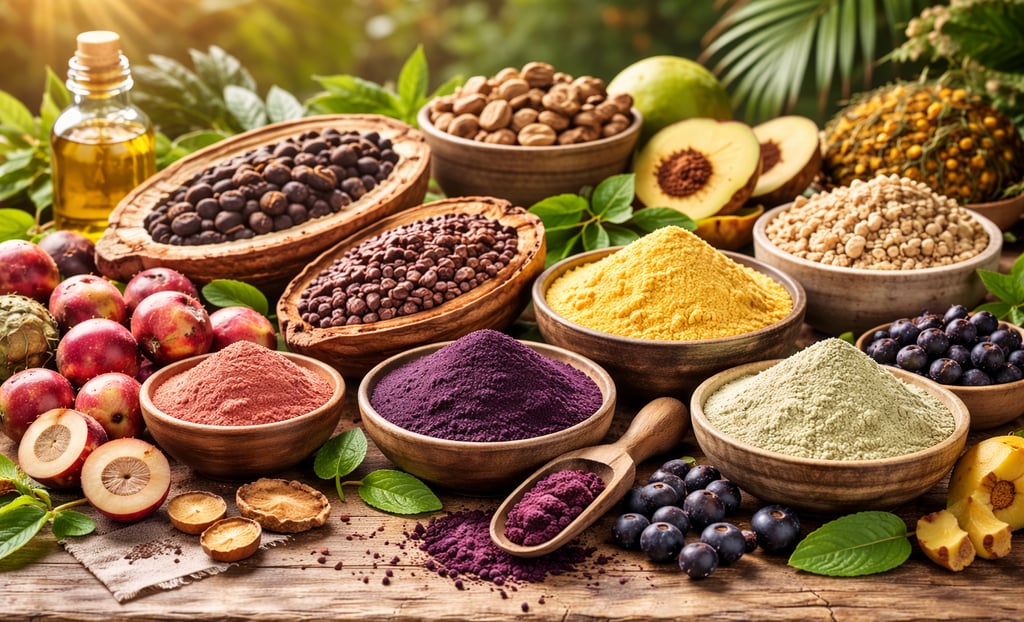
The global demand for superfoods has grown dramatically in recent years. From maca and camu camu to açaí and cacao, Peruvian botanicals are now available worldwide. However, not all products labeled “Peruvian” or “wild-harvested” truly meet those claims.
If you care about potency, sustainability, and ethical sourcing, learning how to recognize authentic superfoods is essential. This practical checklist will help you evaluate quality, understand sourcing transparency, and ask the right questions before purchasing.
Why Authenticity Matters
Authenticity affects three key factors:
• Nutritional integrity
• Environmental sustainability
• Ethical impact on local communities
Traditionally used for centuries in Andean and Amazonian cultures, many Peruvian botanicals were harvested in small batches from high-altitude regions or rainforest ecosystems. When demand increases, large-scale commercial farming may alter soil quality, biodiversity, and even phytochemical composition.
Emerging research suggests that environmental stress — such as altitude, mineral-rich soils, and wild growth conditions — can influence the concentration of certain plant compounds. While not every wild product is automatically superior, origin and cultivation method do matter.
Visual Signs of Authentic Superfoods
When evaluating a product, begin with what you can see.
1. Color Intensity
Authentic botanicals often have deep, vibrant colors:
• Maca powder: creamy beige to golden (not grey or dull)
• Camu camu: light tan to soft pinkish hue
• Açaí powder: deep purple, not brown
• Cacao: rich reddish-brown
Faded or overly pale tones may indicate over-processing, oxidation, or poor storage.
2. Texture & Aroma
• Fresh powders should feel fine but not chalky.
• They should smell earthy, not musty or sour.
• Clumping may indicate moisture exposure.
High-quality products usually preserve their natural aroma profile — slightly sweet, earthy, or fruity depending on the plant.
3. Minimal Additives
Authentic superfoods ideally contain:
• 100% single ingredient
• No fillers
• No artificial colorants
• No unnecessary sweeteners
Always read the ingredient list carefully.
Wild Harvested vs. Farmed: What to Look For
The term “wild-harvested” is often used in marketing, but what does it truly mean?
Wild-harvested typically indicates that plants grow naturally in their native ecosystem and are collected responsibly without industrial cultivation.
To verify such claims, check for:
• Detailed sourcing descriptions
• Region-specific information (e.g., Junín Highlands, Amazon basin)
• Harvest season transparency
• Photos or documentation of collection practices
If a brand simply states “wild-crafted” without explanation, ask for clarification.
Questions to Ask the Supplier
A responsible brand should welcome transparency. Consider asking:
1. Where exactly is the product sourced?
2. Is it wild-harvested or cultivated?
3. Are local communities involved in the supply chain?
4. How is quality tested?
5. Is there traceability from harvest to packaging?
Certifications & Lab Testing
While not mandatory, the following can indicate higher standards:
• Organic certification (when applicable)
• Heavy metal testing
• Microbial testing
Emerging research suggests that soil contamination can influence heavy metal levels in certain regions. Responsible producers test regularly and share results upon request.
Packaging & Storage Indicators
Authentic superfoods are sensitive to:
• Light
• Moisture
• Heat
• Oxygen
Look for:
• Airtight packaging
• Opaque or UV-protected containers
• Clear storage instructions
Improper packaging can degrade antioxidant content and flavor over time.
Price vs. Quality
Extremely cheap superfoods often raise red flags. Wild harvesting is labor-intensive and seasonal. Ethical sourcing, fair trade practices, and quality testing increase production costs.
While higher price does not automatically guarantee quality, unusually low pricing may suggest:
• Bulk industrial farming
• Blended lower-grade batches
• Outdated stock
Balance cost with transparency and trust.
Building Long-Term Trust
Rather than purchasing randomly, consider building a relationship with one or two reliable suppliers. Brands committed to long-term sourcing partnerships with Peruvian communities tend to:
• Share harvest stories
• Provide traceability
• Educate customers
• Emphasize sustainability
This level of transparency reflects care beyond marketing language.
FAQ
Q: Are wild-harvested superfoods always better?
A: Not automatically. However, traditional harvesting methods and native growing environments may influence phytochemical profiles.
Q: How can I verify origin claims?
A: Ask for sourcing documentation or regional transparency from the supplier.
Q: Is organic certification necessary?
A: It can be helpful, but small wild-harvested producers may not always have formal certification despite responsible practices.
Q: Why does color sometimes vary between batches?
A: Natural seasonal variation and harvest timing can influence color and taste.
Q: How should I store superfoods at home?
A: Keep them in a cool, dry, dark place in airtight containers.
Safety & Disclaimer
This article is intended for educational purposes only. Superfoods are foods, not medicines. They should not replace medical treatment or professional healthcare advice. If you have health conditions or are taking medication, consult a qualified healthcare professional before introducing new botanicals into your routine.
Conclusion
Learning how to recognize authentic superfoods empowers you as a conscious buyer. By evaluating visual quality, asking sourcing questions, and choosing transparent suppliers, you support sustainability and traditional knowledge.
At Chakana Healing Space, we believe in responsible sourcing and honoring the roots of Peruvian botanicals. Explore our sourcing philosophy and discover products aligned with authenticity and respect for nature.